Table of Contents
Cutting your home's energy use will save you money and reduce your overall environmental impact. Creating a more energy-efficient home doesn’t have to be difficult or expensive. Just a few small changes can make a surprisingly big difference.
In the second part of our blog series on building a sustainable home, we show you how to take the extra steps you need to create an effective home energy management system.
If you missed the first six steps, you can catch up on them here.
Are you ready to take the final steps in creating a comfortable, future-proof home that consumes less energy and generates more?
Step four: Get more from your energy with an EMS
An energy management system (EMS) will bump your home up to the next level in efficiency. An EMS gives you complete control over your solar installation. Best of all, you won’t have to do anything yourself!
How does it work? Here’s how easy it is: an EMS is an application that you connect to the inverter of your solar panels. The EMS ensures that your solar panels, home battery, and any other sustainable devices you’ve got hooked up to it work as efficiently as possible. You can monitor and manage your home’s energy use through an app on your phone.
An EMS can help you use energy more efficiently and lower your electricity bills by:
- Making the most of your solar power. The EMS can automatically switch on appliances when your solar panels are generating the most electricity. This helps reduce the amount of power you need to buy from the grid.
- Reducing spikes in electricity use. An EMS coordinates power-hungry appliances, like an EV charger, an electric water heater, or your dryer, so they don’t all run at once.
- Taking advantage of lower electricity rates. If your utility offers time-of-use pricing, an EMS can schedule appliances to run when electricity prices are the cheapest.
- Earning credits for excess solar power. Depending on your utility and electricity plan, you might be able to receive bill credits for sending surplus solar electricity back to the grid. Check out the US Department of Energy site for more info on what solar credits are applicable in your state.
Step five: Step up your comfort levels with a heat pump
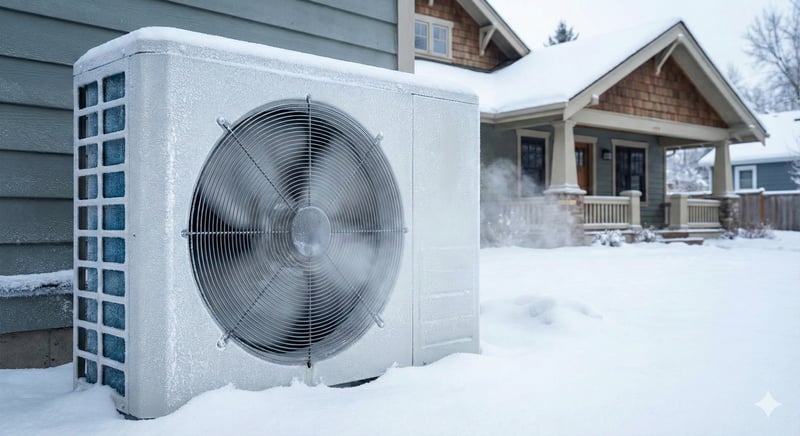
A heat pump is one of the most energy-efficient heating and cooling solutions you can install in your home. If you’ve already made sure your home is properly insulated, you’ll be able to get the maximum benefits from your insulation with a new heat pump.
How do heat pumps work?
A heat pump works by extracting heat from the environment (air, water, or ground) and using it to heat a space. When it’s cold, your heat pump will extract heat from the outside and transfer it into your home. In the summer, it does the opposite. Since heat pumps move heat instead of generating it, they’re much more efficient and less expensive to run than an air conditioner or a furnace. According to the US Department of Energy, you can save up to 60% on your annual energy costs by installing a heat pump.
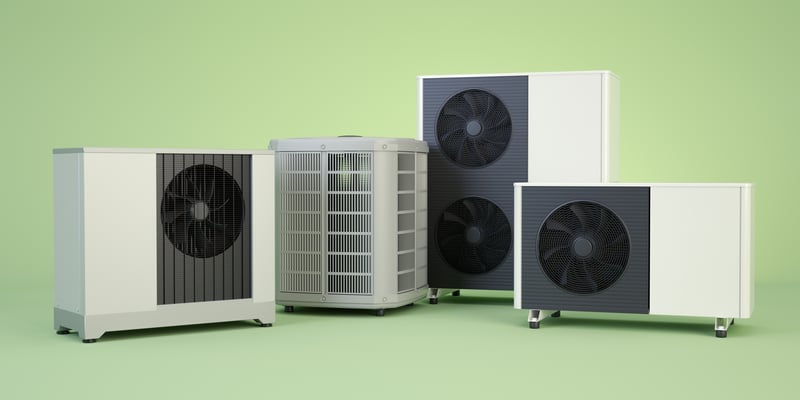
It’s important to know that there’s not just one type of heat pump. There are actually a few different types of heat pumps, and each one works differently. Their names tell you where they get heat from and how they deliver it to your home:
Geothermal heat pumps, also known as ground source heat pumps, draw heat from the ground or groundwater and transfer it into your home for heating.
Air-to-air heat pumps draw heat from the outdoor air and transfer it into your home as warm air.
Air-to-water heat pumps draw heat from the outdoor air and use it to heat water for radiators, underfloor heating, or domestic hot water.
As well as helping you save on heating and cooling costs, heat pumps can significantly reduce your home's carbon emissions. Depending on the system they replace, heat pumps can cut carbon emissions by up to 7.6 tons per year.
It does take a little research to find the right heat pump for your home. Heat pumps have different features, capabilities, and price points. Choosing the right one can make all the difference to your comfort and energy savings. Our blog explains how to find the best heat pump for your home.
Step six: Get yourself a green energy plan
The final step you can take to make your home more energy efficient and environmentally responsible is to choose a green energy plan.
When you draw energy from the electrical grid, it usually comes from many different sources. Usually, you won’t know how the energy coming to your home was generated.
A green electricity plan lets you support renewable energy sources such as wind and solar. Many plans use renewable energy certificates (RECs) to account for the renewable electricity associated with your purchase. Each REC represents the environmental attributes of one megawatt-hour of renewable electricity generation.
Although a green energy plan doesn’t guarantee that all the electricity reaching your home comes exclusively from wind or solar, it does help to support and increase demand for renewable energy. The US Environmental Protection Agency's guide to Green Power Supply Options explains the different ways you can purchase or support renewable electricity.
Follow all six of these steps, and you’ll be able to enjoy lower energy bills and relax in the knowledge that you’ve drastically reduced your home’s overall impact on the environment. You can feel good, be comfortable, and pay less.
To get more tips and information on going green, get in touch with Switch Together. We have all the resources you need to build a healthier, more efficient, and more sustainable living space for your family.