Table of Contents
The short answer: For most homeowners switching to a heat pump is worth the investment.
Heat pumps move heat rather than generate it, so they use less energy per unit of heating than furnaces or electric resistance heaters, which cuts running costs and emissions. Savings are particularly high for those replacing propane, heating oil, or electric resistance heat and savings can approach $1,000 a year. If you heat with natural gas, running costs may be similar, particularly in a well-insulated home. In some older homes, though, running costs can rise meaningfully, which matters most for cost-sensitive households. If costs aren’t a concern, your decision may come down to timing (e.g. you also need to replace your air conditioner), lower emissions, or overall comfort and convenience. Some households may also qualify for state incentives, which can significantly reduce your upfront cost.
Heat pumps are now a mainstream choice for new home heating and cooling in the US. Statista's shipment data show air-source heat pump shipments rising from about 1.4 million units in 2001 to 3.64 million in 2025, and since 2020, heat pumps have outsold air furnaces. While increasing popularity is a positive signal, there are many factors to consider when deciding if heat pumps are the right choice for your home.
But as heat pumps grow in popularity, a major frustration has emerged. In September 2024, we conducted in-depth interviews with homeowners who were interested in buying a heat pump. We wanted to know what was holding them back.
What we heard over and over was that the buying process is exhausting. Homeowners found themselves asking, "Why does every single person interested in a heat pump have to do this research by themselves?" Between navigating sales pitches, worrying about whether a contractor actually has heat pump experience, and figuring out which brands offer reliable parts, the decision can feel overwhelming.
This guide covers what you could save, what a heat pump costs, which incentives are still available, and when it might not be worth it.
How much can a heat pump save you?
Your household savings will depend mostly on how you currently heat your home. Rewiring America estimates that the average US household could save around $370 a year by switching to a heat pump. Households switching away from the most expensive fuels will save the most.
|
Your current heating |
Typical annual savings with a heat pump |
|
Natural gas furnace |
About $100 to $200 |
|
Electric resistance (baseboards, electric furnace) |
About $800 |
|
Propane |
About $850 |
|
Heating oil |
About $950 |
Estimates from Rewiring America. Your savings depend on local energy prices, climate, and home insulation.
The US Department of Energy also reports that savings can be greater in specific cases. In Michigan, for example, homes heating with propane or electricity could save about $1,500 a year on average with a heat pump designed for cold climates. If you replace both a furnace and a central air conditioner with a heat pump system, you buy one system that handles both heating and cooling, rather than two separate ones.
What about rising electricity prices?
Heat pumps run on electricity, and US residential electricity prices continue to keep rising significantly. EIA data put the national average at about 13 cents per kWh in 2020 and about 17 cents in 2025 - a rise of roughly 30%. EIA expects increases to outpace inflation through 2026. In other words, even after accounting for the general rise in the cost of living, our power bills will still feel heavier than they do now.
If you’re worried about rising electricity prices, a heat pump is a good starting point. It delivers roughly two to four units of heat per unit of electricity, so you can use much less power for the same warmth than with resistance heating. You can also reduce exposure to electricity price increases by:
- Pairing a heat pump with rooftop solar
- Asking your utility about a time-of-use or dedicated heat pump rate
- Improving insulation and air sealing, which cuts how much heat you need
What incentives are available in 2026?
The federal tax credit has ended. The Section 25C credit, which covered 30% of cost up to $2,000, applies only to systems placed in service on or before December 31, 2025, after the One Big Beautiful Bill Act repealed it. If you installed it in 2025, you can still claim it on that year's tax return. Rewiring America's 25C guide has the details.
State-run rebates may still be available. The federal HEEHRA program funds point-of-sale discounts of up to $8,000 for lower-income households and up to $4,000 for moderate-income households. More than 20 states had active programs as of mid-2026, but funding is limited. California's single-family funds, for example, were fully reserved statewide in February 2026. Rebates generally must be approved before installation, so be sure to confirm your eligibility before you sign a contract.
Historically, navigating these rebates has been a massive pain point. That is why modern purchasing programs like community group buys now include administrative support to ensure you actually get all the local rebates and tax incentives you qualify for, without having to figure it out alone.
The Installation Headache: Why Going Alone Feels Risky
Even when it makes financial sense, the actual process of buying a heat pump holds many people back. In our 2024 interviews, homeowners told us they were relying on Facebook groups, Nextdoor apps, and Consumer Reports just to figure out who to trust. They highlighted several anxieties including
Contractor Inexperience: Many local installers lack the specific expertise to properly size and fit heat pumps.
Brand Reliability: Buyers want reputable brands (like Bosch or Lennox) to guarantee replacement parts will be available in the future.
System Suitability: Homeowners worry a generic system won't effectively heat their specific floor plan or insulation level.
Do heat pumps really lower emissions?
It is evident that heat pumps are the cleaner choice. Rewiring America found that 98% of US households would cut their carbon emissions by installing a heat pump. Additionally, if all single-family homes adopted heat pumps, the total annual emissions reduction would be at least 160 million metric tons by 2032. To put that into perspective, that is the same weight as 8 million metric tons by 2032.
Canary Media reported on an NREL study, finding that - depending on the scenario and level of efficiency - heat pumps lower household annual energy emissions by 36% to 64%, or 2.5 to 4.4 metric tons of CO2 equivalent per year, per housing unit. For context, that is close to the emissions from a round-trip flight between New York City and Tokyo. The study found savings tend to be higher in states with colder winters and homes that heat with fuel oil, such as Maine.
Comfort, maintenance, and lifespan
Beyond the running costs, a heat pump can improve everyday comfort and indoor air quality, and it’s manageable to maintain and built to last
Comfort: Variable-speed heat pumps run longer at lower output, which gives steadier temperatures than a furnace, which cycles on and off. Longer cycles can also help with humidity control and air circulation.
Indoor air: A heat pump burns no fuel, so there's no combustion in the home and no carbon monoxide risk from your heating system.
Maintenance: Homeowners can handle routine tasks such as changing filters and keeping the outdoor unit clear. Manufacturers generally recommend a professional check-up once or twice a year.
Lifespan: Air-source heat pumps typically last around 15 years, and many last longer with good maintenance. Ground-source systems can last 20 to 25 years or more.
Will a heat pump increase your home's value?
Yes - heat pumps can also increase your home value. A University of Maryland study from the Center for Global Sustainability, published in Nature Energy, analyzed about 500,000 home sales in 23 states and found an average price premium of 4.3% to 7.1%, or roughly $10,400 to $17,000, for homes with air-source heat pumps. Premiums varied by region and were highest in the Pacific and South Atlantic regions.
When a heat pump may not be worth it
- You have cheap natural gas and a furnace, and an AC system that still has years of life left (for example, 5+ years left)
- Your home is poorly insulated and you can't improve it, which means a larger and more costly heat pump system would be required
- Your electrical panel needs a major upgrade and no rebate covers it
- Your local electricity rates are very high relative to gas
In these cases, it often makes sense to wait until your equipment needs replacing, or to look at a dual-fuel system.
Frequently asked questions
Are heat pumps worth it in 2026? For most homes replacing propane, oil, or electric resistance heat, yes. For homes on natural gas, the benefits are mainly comfort, emissions, and replacing your AC with the same system.
Is the heat pump tax credit still available? Not for new installs. The federal Section 25C credit applied only to systems placed in service by December 31, 2025. State and utility rebates, including HEEHRA where it's active, may still be available.
How much does it cost to run a heat pump? It depends on your electricity rate, climate, and home. Heat pumps use roughly two to four times less energy than resistance heating for the same warmth, so they cost much less than electric furnaces or baseboards and are often comparable to natural gas.
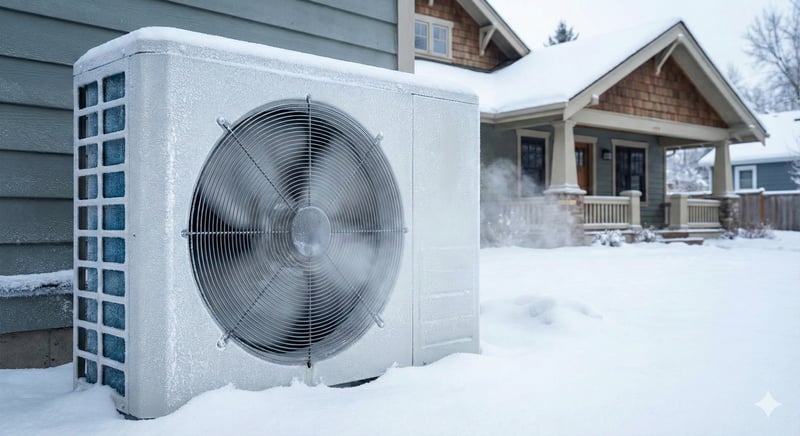
Do heat pumps work below freezing? Yes. Cold-climate heat pumps are designed to keep heating at 0 to 5°F and below. Look for ENERGY STAR cold-climate certification.
So, are heat pumps worth it?
Most of the time, yes! Heat pumps are an excellent investment. They deliver lower utility bills, year-round comfort, and a significantly smaller carbon footprint. Upgrading is a particularly smart move if your current AC is nearing the end of its life, or if you rely on expensive propane, oil, or electric resistance heating. While timing your installation to align with equipment replacement or available rebates makes strong financial sense, the benefits extend beyond financial savings.
At Switch Together, our mission is to make sustainable, eco-friendly solutions like heat pumps accessible and affordable for everyone.