Keeping the lights on and maintaining a comfortable home all year round isn’t as affordable as it used to be. Prices for gas and electricity are rising across the US.
In this article, we’ve put together a list of the most effective ways to lower your energy use. These tips - big and small, will help you save on energy bills. Beyond lower bills, efficient homes hold steadier temperatures, sell for more and shrink your carbon footprint.
What’s the energy breakdown for the typical American home?
The average electricity usage for a US residential home is about 10,500 kilowatt-hours (kWh) per year.
What uses the most energy in the average American home?
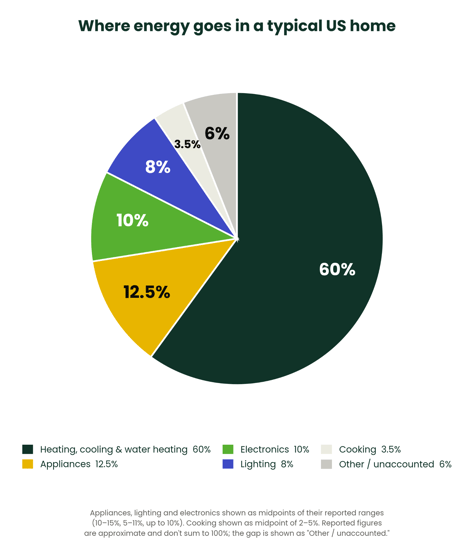
Research shows that 60% of energy use in most US homes goes to heating, cooling, and water heating. The same studies showed that appliances like refrigerators, clothes washers and dishwashers account for 10 to 15% of total energy use, lighting accounts for about 5% to 11%, cooking is 2 to 5%, and electronic devices can add up to around 10% of overall energy use.
How much does the typical American household spend on energy each year?
In total, it’s been estimated that the energy costs of an average American home are in the range of $2,000 per year.
However, $200 to $400 of this figure is spent on wasted energy due to poor weatherization: poorly sealed rooms, bad insulation, inefficient heating and cooling systems, and old water heaters.
As gas and electricity costs continue to rise, reports state that one in three households have trouble paying their bills.
If you want to cut your energy bills, here’s how to do it the right way:
Energy-efficient home upgrades that are worth it
The best way to make your home more efficient is to focus on reducing how much energy you waste. This means making changes that have an impact across the entire house.
From the small switches to big projects, here are seven surefire ways to tighten up your energy efficiency:
1. Improve your air sealing and insulation
According to the Environmental Protection Agency’s (EPA) ENERGY STAR program, properly air sealing and insulating your home can save about 15% on heating and cooling costs and about 11% on your total energy costs.
Drafts are a major culprit. Air leaks through window and door cracks, the attic, and even through electrical outlets, forcing your HVAC system to work harder to maintain a steady temperature.
A few easy fixes:
- Caulk around door and window frames
- Weatherstripping for door edges and sliding windows
- Small foam inserts for electrical outlets
- Foam sealant for larger gaps around baseboards, windows, or door frames
Insulation matters too - it keeps heat from escaping through walls, ceilings and floors, stabilising your indoor temperature. A qualified insulation or home performance contractor can inspect your attic, walls, floors, basement and then recommend the right insulation for your home.
2. Upgrade your heating and cooling systems
If your HVAC system is more than ten years old, it’s probably costing you more than you realize. Modern systems are far more efficient - replacing an old unit can cut your home’s energy use by up to 30% or more.
3. Make the switch to a heat pump
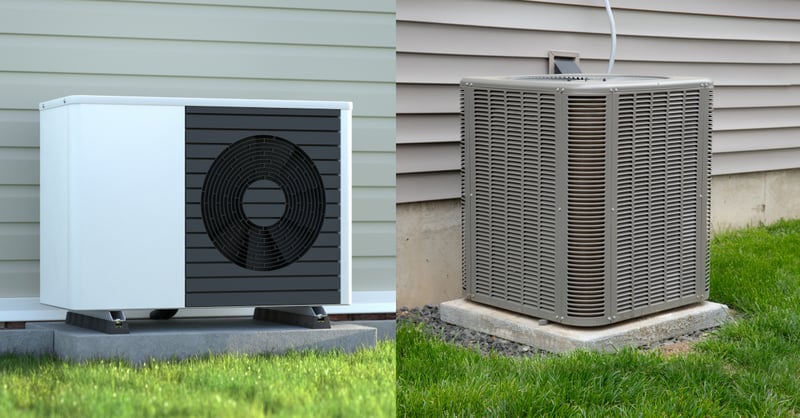
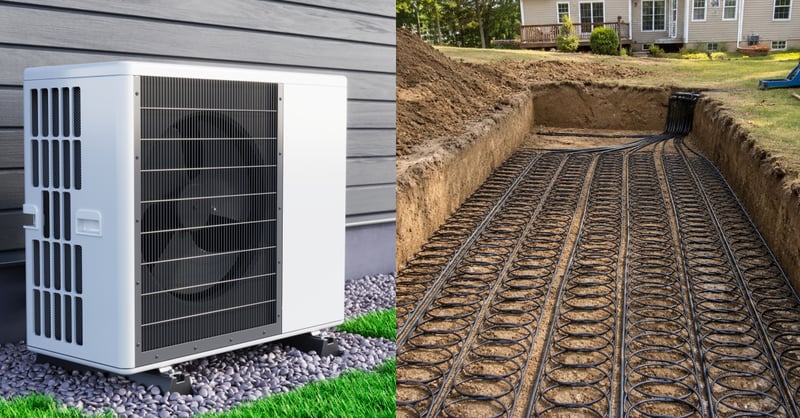
When it’s time to upgrade, consider a heat pump instead of a traditional furnace or AC. Rather than generating heat, heat pumps simply transfer it in and out of your home - a much more efficient process. Air source heat pumps use half the energy that an electric furnace does. Invest in a ground source heat pump, and you can slash your energy costs by as much as 60%. Heat pumps have an average lifespan of 15 years, so they deliver great long-term savings. Interested in learning more about the differences between an air source and ground source heat pump? Read here.
4. Buy a better water heater
How much of your energy bill goes towards hot water? A lot. Think about how often you take a shower, have a bath, do the dishes, or do laundry. The energy needed to heat that water accounts for about 13% to 18% of your overall energy usage.
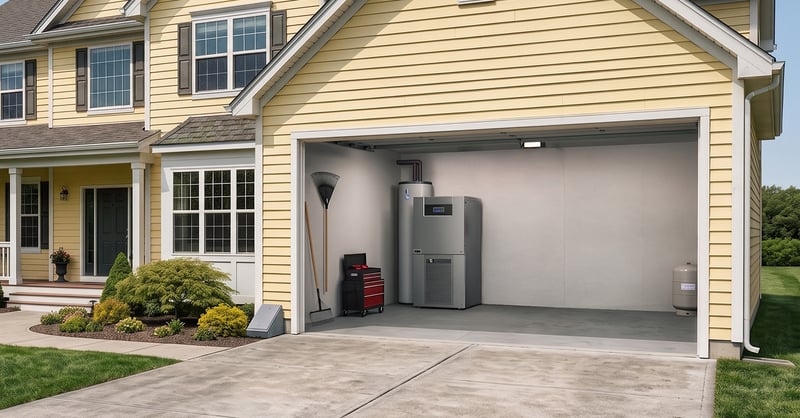
Make the change to a more efficient model, or better yet, a heat pump water heater, and you’ll soon see big changes in your energy costs. A more efficient water heater will save you about $1,800 over the course of its lifetime, which is about 10 to 15 years on average.
5. Install energy-efficient windows and doors
Another worthwhile investment is to install energy-efficient windows and doors. 20% to 30% of the air that gets in and out of your home escapes via windows, doors, and skylights.
Changing your old windows, doors, and skylights to more energy-efficient ones can help you save on your heating and cooling bills. Going for double-glazed or storm windows can cut heating and cooling costs by as much as 33%.
6. Switch to a smart thermostat
Do you reset your thermostat every time you’re asleep, at work or away? If not, you’re probably paying for heating and cooling no one needs.
A smart thermostat solves this automatically. This Wi-Fi-enabled device adjusts your home’s temperature based on your schedule, cutting energy use when you're asleep or out - no manual resets required. That alone can lower your overall energy costs by 8% to 10%.
7. Save energy with LEDs and smart power strips
Two easy swaps can cut energy use without changing how you live: incandescent bulbs for LEDs, and standard power strips for smart ones.
LEDs use 90% less energy and last 25 times longer than incandescent bulbs - replacing just one bulb saves about $40 over its lifetime.
Devices left plugged in draw power even when off - smart strips cut that automatically.
8. Set up a home solar panel system
If you’re ready to get really serious about creating an energy-efficient home, then the best move by far is to install solar panels.
A home solar panel system can help protect you from rising utility rates. By generating a significant portion of your home's electricity from sunlight, you'll rely less on power from the grid, which can lower energy bills over time.
A step-by-step energy efficiency guide for bigger savings
Getting the biggest savings for your money means tackling upgrades in the right order
Start with a home energy audit
Getting a home energy audit is a great starting point and will show you exactly how your home uses and loses energy.
A professional auditor will come to your property and assess it for air leaks, insufficient insulation, inefficient heating and cooling equipment, and other areas where energy is being wasted. The information from the audit will let you know what areas you need to focus on.
A home energy audit can cost anywhere between $200 and $900, depending on the type of assessment you get done and how big your home is. A basic walk-through assessment is the most affordable option, a standard audit sits in the middle, while a comprehensive audit with detailed testing and analysis will cost you the most.
Use the ‘fabric first’ principle - your highest priority
The ‘fabric first’ principle means improving the physical structure of your home before updating appliances. Start with air sealing and insulation - these deliver the biggest immediate impact on your energy efficiency, stopping heat loss in winter and keeping cool air in during summer, and they come with low-to-moderate cost and a fast return on investment. Upgrading your windows and doors falls under this same principle and makes any later upgrades more effective.
Tackle medium-priority upgrades
Once your home’s fabric is sorted, replacing an old or inefficient HVAC system - or switching to a heat pump will deliver your next biggest efficiency gains. Upgrading your water heater fits here, too. These are higher-cost improvements, but they pay off significantly over the long term.
Add quick wins anytime
Smart thermostats, LED lighting, and smart power strips are cheap and fast to install, with no big upfront investment needed. These savings are less dramatic than bigger upgrades, but you can slot these in anytime, even before tackling larger projects and start saving immediately.
Consider solar as a long-term investment
Going solar has a higher upfront cost, but it offers the biggest long-term payoff, potentially reducing or eliminating your electricity bills over time. If cost is a concern, incentives, rebates and financing options can help.
Heat Pump Incentives
There may be rebates, tax credits, or other incentives available in your area to help offset the cost. Check out our heat pump incentives page to see what you could qualify for.
Financing options
Several financing options can help cover the cost of energy-efficient upgrades: energy-efficient mortgages (EEMs) if you're buying a home, low-interest energy-efficiency loans, or on-bill repayment through your utility company.
Before committing, compare loan terms carefully and make sure the energy savings will offset the cost over time - independent expert advice can help you choose the right fit. For personalized financing options and incentives in your area, check out the Switch Together program.
FAQs on energy-efficient home upgrades
What are the most cost-effective home energy upgrades?
Air sealing, better insulation, smart thermostats, and LED lighting. All four cost little, install fast and start cutting bills immediately.
How much can I save with energy-efficient home upgrades?
Most homeowners cut annual energy bills by 10% to 30%. Actual savings depend on home size, energy use and climate.
Do energy-efficient upgrades increase home value?
Yes, by 2% to 8%. 72% of experienced realtors say utility bills and operating costs are a major consideration for homebuyers, and 58% say energy-efficient upgrades add value to a home.
Where do I start if I've never upgraded my home's energy systems?
Get a home energy audit first. It identifies your biggest problem areas, so you can prioritise air sealing and insulation before moving on to HVAC, water sealing or solar.